
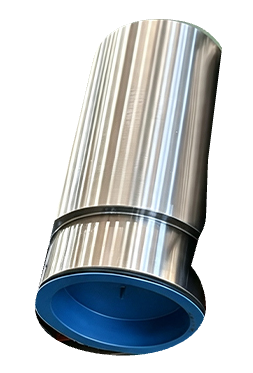
Honed and roller-burnished cylinder tubes are both options for a finished cylinder bore. The useful purchasing question is whether the delivered bore meets the drawing and sealing requirements. A process name alone does not define the finished size, texture or suitability for a particular cylinder.
How the finishing methods differ
Honing removes material with an abrasive tool. Skiving cuts the bore before roller burnishing smooths the surface by plastic deformation. These processes can leave different surface textures, even when their average roughness values appear similar. A polished-looking bore is therefore not sufficient evidence that two tubes are interchangeable.
Compare the honed cylinder tube and roller-burnished cylinder tube listings against the same finished drawing. Ask whether the quoted dimensions describe the supplied tube or a part after your own machining.
Put the acceptance requirements in the enquiry
| Requirement | Information to provide |
|---|---|
| Finished bore | Nominal inside diameter, tolerance and measurement locations |
| Geometry | Roundness, straightness and any cylindricity requirement, with inspection method |
| Surface texture | Seal-compatible roughness and texture criteria, with measurement conditions |
| Tube body | Material, delivery condition, outside diameter and wall requirements |
| Subsequent work | Cutting, welding, port machining and any planned finishing operation |
Separate the sealing surface from the structural design
The bore is a seal counter-surface. Its required finish depends on the actual seal and service conditions; a single generic roughness value cannot qualify every application. Have the cylinder designer and seal supplier agree the surface specification before placing the tube order.
Likewise, a smooth bore does not establish a working pressure. Wall dimensions, material condition, end construction and the completed cylinder design need separate review. Avoid selecting wall thickness from the bore diameter alone.
A practical comparison workflow
- Issue one drawing revision to everyone quoting the tube.
- Identify the dimensions that must be finished on delivery and those left for machining.
- Agree the inspection record and sampling requirements before the order.
- Check a sample against the specified method, rather than comparing appearance only.
For example, an enquiry stating only “80 mm cylinder tube” leaves the inside/outside diameter, tolerance, length and supply condition unresolved. A drawing with those fields completed makes quotations more comparable without assuming a supplier’s default process.
Can either finish be used with any piston seal?
No. Confirm compatibility with the selected sealing system. Changing the finishing process should trigger a review of the finished surface requirements, rather than automatic substitution.
Send Newneng your cylinder tube drawing with quantities, finished bore requirements and intended machining steps. We can review the relevant catalog options and confirm the proposed supply condition.